BoğaziçiMUN

Committees

Every committee from BoğaziçiMUN 2026 on one page. Open any of them for the introduction, or download the study guides straight from here. The 2027 committees will be announced on Instagram.

New to Model UN? What the labels and terms mean
Beginner-friendly
A good choice for your first conference. No Model UN experience is needed.
All levels
Suits first-time and experienced delegates alike.
Court format
Follows the court's or commission's own procedure instead of standard committee debate. The study guide explains the roles.
Experienced
Crisis and historical committees move quickly and expect more Model UN experience.
Study guide
The committee's background paper on its agenda. Read it before the conference.
Rules of Procedure
How debate runs: speeches, motions and voting. One document covers every committee.
Open agenda
No fixed topic in advance: the debate follows events as the crisis unfolds.
JCC
Joint Crisis Committee: rival cabinets that respond to each other's moves as the crisis unfolds.
HCC
Historical Crisis Committee: a crisis committee set at a real moment in history.
H-UNSC
Historical UN Security Council: the Council debating a past crisis as if it were happening now.

United Nations bodies

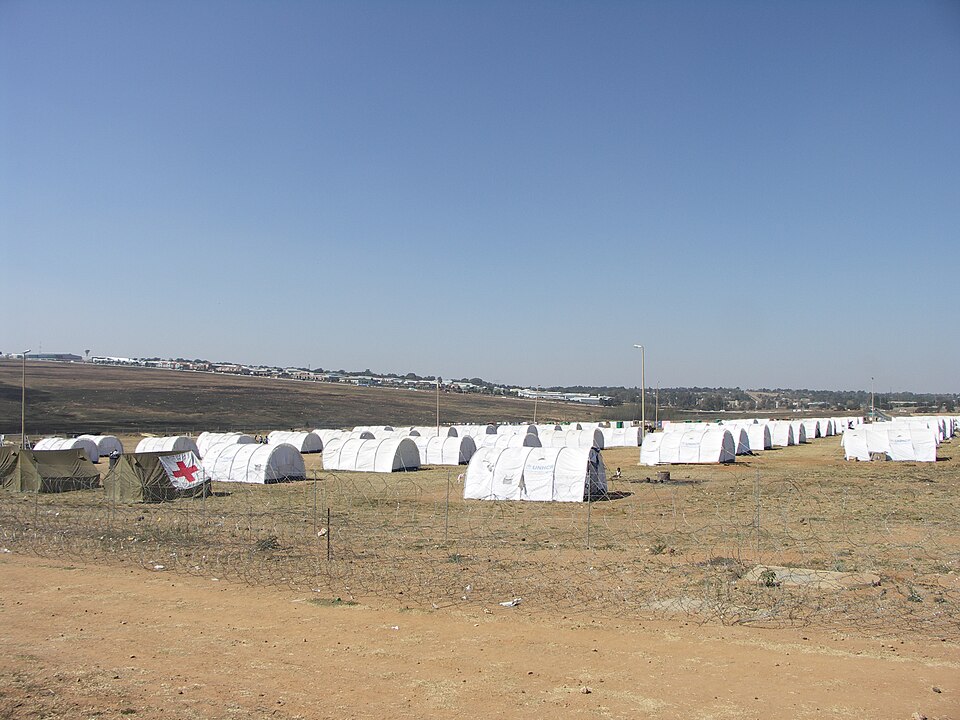
UNHCR

UN High Commissioner for Refugees

Beginner-friendly

  1. Rebuilding the Future: Ensuring Sustainable Reintegration and Return Pathways for Refugees Displaced by Conflicts in the Middle East
  2. Host or Home? Balancing Refugee Protection and National Pressure in Middle Eastern Host States

The United Nations High Commissioner for Refugees (UNHCR) will mainly address the current challenges in the Middle East area. The first agenda, “Rebuilding the Future: Ensuring Sustainable Reintegration and Return Pathways for Refugees Displaced by Conflicts in the Middle East,” focuses on the ways refugees affected by the conflicts in Middle East can return to their homelands in a safe and realistic way. But before discussing potential returns, delegates are invited to come up with solutions that answer the uncertainty of future for the refugees. Delegates are requested to explore how international cooperation can foster safe, dignified, and lasting solutions for millions of refugees who continue to face uncertainty about their future.

Simultaneously, the second agenda, "Host or Home? Balancing Refugee Protection and National Pressure in Middle Eastern Host States," focuses on the growing burden on countries such as Lebanon, Jordan, and Turkey as they continuously incur disproportionate burdens while facing economic crisis and political pressures. The delegates will be discussing how to balance humanitarian responsibilities with home affairs while upholding core rights and dignity of refugees.

UN Women

UN Entity for Gender Equality and the Empowerment of Women

Beginner-friendly

  1. Rising Global Backlash Against Gender Mainstreaming
  2. Reassessing Gender Mainstreaming in Labor Migration

The United Nations Entity for Gender Equality and the Empowerment of Women, known as UNWOMEN, was established in 2010 to accelerate progress in addressing the needs of women and girls worldwide. UN Women strengthens efforts to advance gender equality by concentrating on topics that include issues such as gender-based violence, women’s leadership, and economic independence. It seeks to eliminate prejudice and discrimination against women and gender inequality on a global scale.

Throughout history, society has determined what individuals are allowed to do based on their gender. Women were consistently singled out and occasionally received hatred in all facets of their lives due to their preferred jobs, attire, and abilities. This committee seeks to address the widespread misconception about the roles and rights of women both in the workplace and in social life. The aim of the committee includes reassessing current gender mainstreaming efforts in migration governance and explore ways to ensure fair and inclusive labor practices.

UNEP

UN Environment Programme

Beginner-friendly

  1. Balancing Economic Growth and Environmental Sustainability Amid Urban Expansion
  2. Climate Accountability and the Absence of Enforcement Mechanisms in International Climate Law

The United Nations Environment Programme (UNEP) is in charge of organizing the UN System's responses to environmental issues. Its mission is to lead, carry out scientific research, and create solutions for a variety of problems, such as green economic development, the management of marine and terrestrial ecosystems, and climate change. In addition, the organization publishes and disseminates environmental science, creates international environmental treaties, and helps national governments accomplish their environmental objectives.

Specialised bodies

ICRC

International Committee of the Red Cross

All levels

  1. Protecting Civilians from Cyber Warfare in the Digitalization of Armed Conflicts in Accordance with International Humanitarian Law
  2. Strengthening the Monitoring, Reporting, and Tracing of Missing Persons and Prisoners of War, with an Emphasis on Enforced Disappearances

The International Committee of the Red Cross (ICRC) is an independent organization that operates worldwide with the aim of ensuring humanitarian protection and assistance for people affected by armed conflict and other violence in conflict zones through neutral, impartial, and independent action. Established in 1863, the committee holds the position of being the oldest and most honoured organization in the International Red Cross and Red Crescent Movement, the largest humanitarian network in the world, with three Nobel Peace Prizes. Its mission is to alleviate human suffering, protect life and health, and uphold human dignity, especially during times of crises. ICRC receives its funding mainly through voluntary donations from member governments and National Red Cross and Red Crescent Societies.

IATA

International Air Transport Association

All levels

  1. Enhancing Regulatory Frameworks within IATA to Prevent Wildlife Trafficking
  2. Harmonizing Aviation Security and Worldwide Crime Control to Prevent Human Trafficking through Air Transport Networks

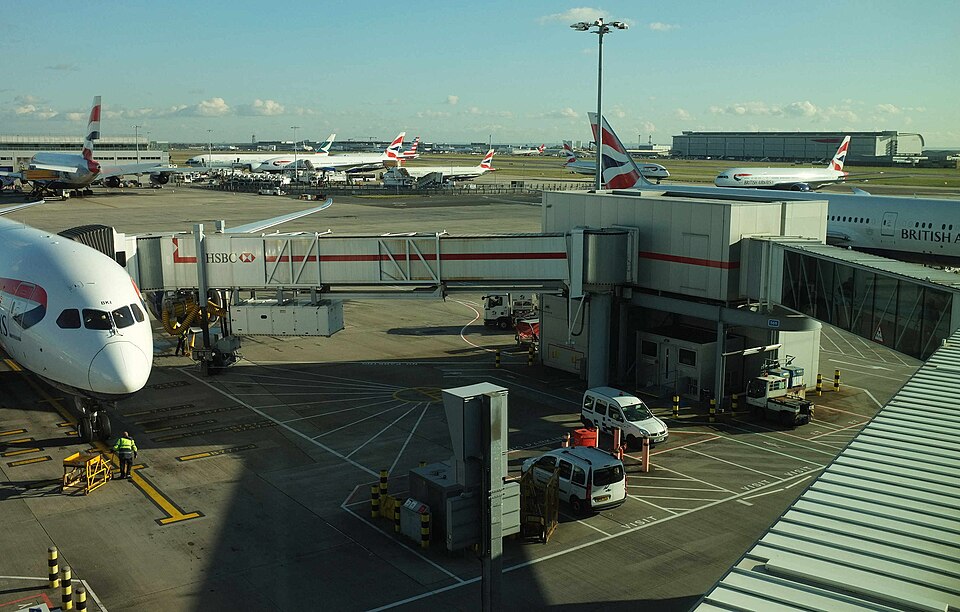
Representing over 300 airlines around the world, the International Air Transport Association (IATA) holds the paramount importance in modern aviation for they are the key element in ensuring safe, secure and sustainable air travel. Yet as the skies connect the world, they also carve out pathways for exploitation. From wildlife trafficking to human smuggling, aviation networks have increasingly been targeted and used by transnational crime.

In IATA , delegates will be challenged to navigate the intersections between regulation, ethics, and enforcement, thus redefining how IATA can strengthen its global role against illegal activities that exploit the airways. Emphasizing shared intelligence, harmonized regulation, and collective accountability, collaboration with international and national bodies such as INTERPOL, UNODC, and many key NGOs will take the main focus.

Whether by remedial industry standards, improving staff training, or designing innovative monitoring systems, delegates will be put to the test to craft actionable, system-wide solutions that protect both people and world of aviation. In this committee, you will decide if the skies will stay as a symbol of connection, or if it will open a corridor for crime.

OECD

Organisation for Economic Co-operation and Development

All levels

  1. Enhancing Transparency in Public Spending and International Investments
  2. Strengthening Fair Competition in Global Digital Economics

The OECD (Organisation for Economic Co-operation and Development) is an international organisation founded in 1961 which consists of 38 member countries that works on improving the economic and social well-being for people around the globe, focused on economic growth, governance, stability, market economies, democracy and related topics. In this committee, delegates will tackle accountability and transparency in both public and private sectors in terms of public spending and investment. With the ever expanding digital economy, delegates will also discuss how to ensure fairness and healthy competition in this growing sector as well. Through cooperation and extensive debates, the committee will aim to develop policies that will enhance global trust, integrity, fairness and well-being of the global economy.

Courts and commissions

U.S. Civil Court

Product liability and consumer fraud

Court format

Ethan Rodriguez and Others v. JUUL Labs, Inc.

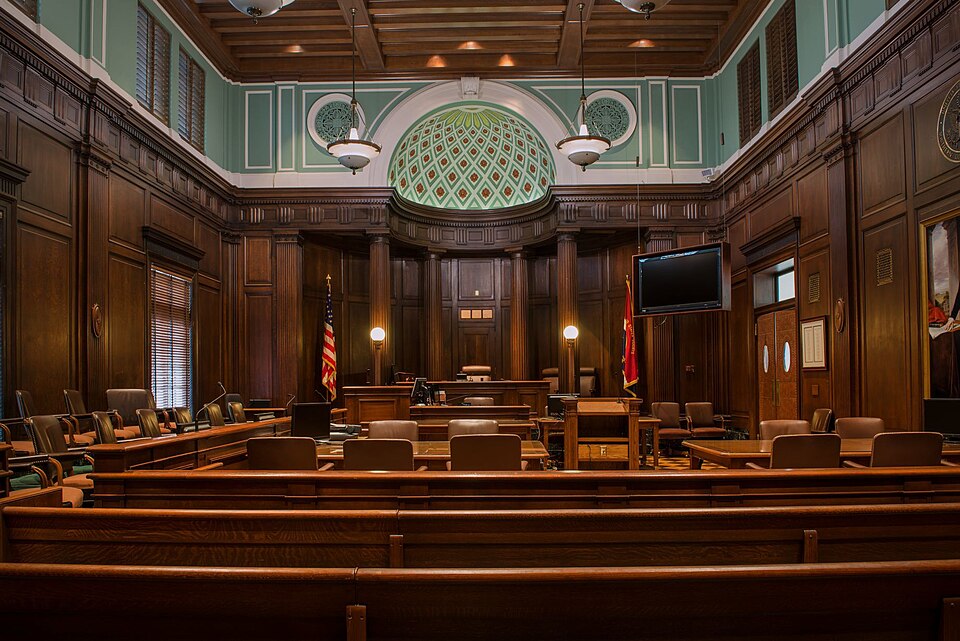
A legal earthquake hit the corporate World between 2019 and 2025, with a massive legal fight known as the JUUL Multi-District Litigation (MDL No. 2913). This sweeping action wasn't just brought by a few individuals; it was fueled by hundreds of outraged consumers, worried parents, struggling school districts, and local governments who all stood together to allege corporate misconduct on a staggering scale.

This simulation will take you into the legal battle itself, engaging you with core claims such as product liability and consumer fraud. We will intensely scrutinize the accusations: Did JUUL allegedly conceal the true nature of its product, hiding the super-high nicotine content and the terrifying addiction risks? Did they consciously employ deceptive and youth-appealing marketing strategies designed to hook a new generation? And did the company simply fail its fundamental duty to provide adequate warnings?

This simulation will give every participant the chance to unpack complex tort claims and challenge the very definition of corporate accountability. We will debate one fundamental question: Did JUUL’s actions cross the line, rising to the level of a public health crisis by deliberately targeting and addicting young users? While law students will gain invaluable insight into the intricate machinery of large-scale MDL and the strategic use of injunctive relief alongside seeking financial damages, all participants will engage with powerful, real-world evidence drawn directly from internal marketing campaigns and critical public health data.

Don't just stick with the headlines. Join the U.S. Civil Court in analyzing the critical evidence, cross-examine expert witnesses, and determine the legal consequences of this pivotal, modern case study.

TRC

Truth and Reconciliation Commission of Yugoslavia

Court format

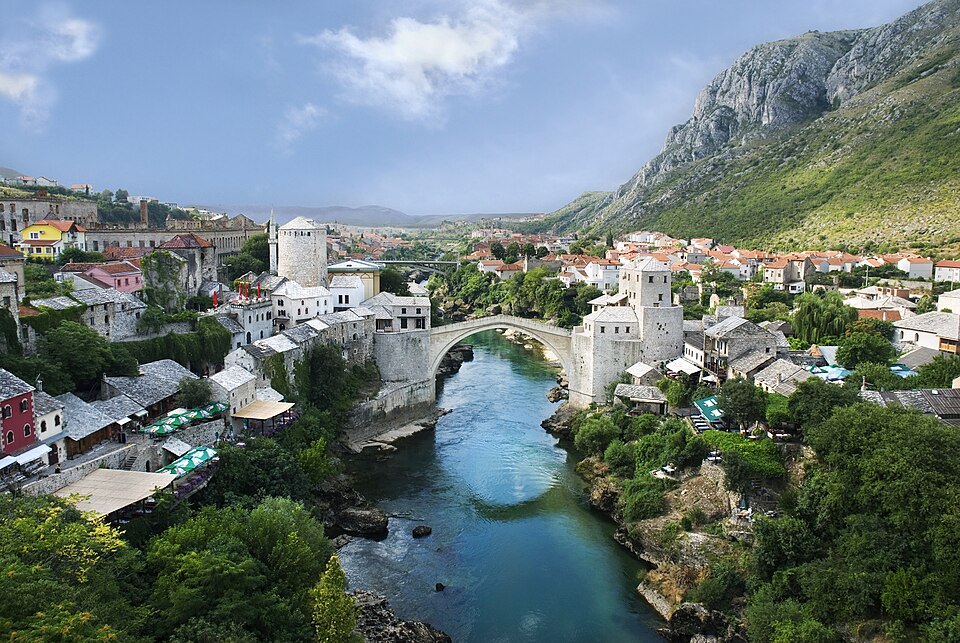
Open agenda. The commission formed in 2001 after the Yugoslav wars.

Truth and Reconciliation Commissions (TRCs) are official bodies tasked with exploring and discovering past wrongdoing by states or other actors to resolve past conflicts. They are mainly restorative justice mechanisms, sometimes having a court-like structure. Most are formed as a response to human rights violations, especially preceding internal armed conflicts, as independent or sometimes governmental bodies. Their main aim is to investigate and document violations, potentially (although not necessarily) to enable criminal prosecution or just to shed light onto what really happened. They try to answer the many unanswered questions generated by enforced disappearances, extrajudicial executions and other crimes committed in times of state unresponsiveness and secrecy, that leave relatives wondering what happened to the victims and where they might be.

This edition of BogaziciMUN 2026 is going to be simulating the Truth and Reconciliation Commission of Yugoslavia. Formed in 2001, following the end of the Yugoslavian Civil War, was eventually tasked with investigating the causes of conflicts in the territories of the Former Federal Republic of Yugoslavia. During the years specified in the Commission's mandate former President Slobodan Milosevic was standing trial before the International Criminal Tribunal for the Former Yugoslavia (ICTY) on charges of war crimes, crimes against humanity, and genocide. Alongside cooperating in this process, the commission’s main task is going to be listening to witnesses who are deemed as victims of human rights violations, as well as receiving amnesty applications from perpetrators and deciding on giving out amnesties. As a vital mechanism of transitional justice, the participants of TRCY will try to shed light on what really happened, document lived sufferings, and provide healing through justice and truth.

Crisis and historical

H-UNSC

Historical UN Security Council

Experienced

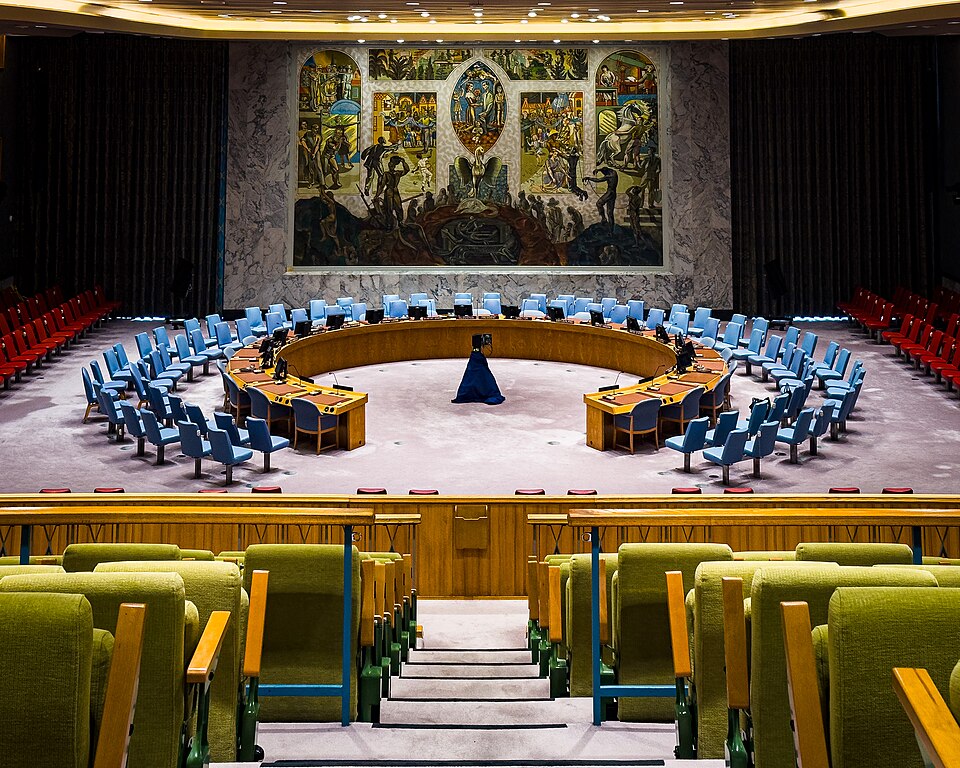
The Situation in Darfur (2004): Addressing the Genocide and Ensuring Accountability

The United Nations Security Council (UNSC) is responsible for maintaining the international peace and security. It has 15 members in total, 5 permanent and 10 non-permanent. The non-permanent members are elected every year and they serve two-year terms. Unlike most UN organs, the UNSC has the authority to take action in its resolutions. For example, in some cases, it can impose sanctions and even authorize the use of force to provide the intended environment of peace and security.

Beginning in 2003 in the western region of Sudan, the Darfur Genocide broke out with the rebellion of non-Arab ethnic groups like Fur, Masalit, and Zaghawa, against the Sudanese government by accusing it of political and economic marginalization. The government reacted by arming and supporting the militias known as the Janjaweed, which can be translated as "devils on horseback". These militias performed mass killings, destroyed villages and systematically raped people.

F-JCC

The Second Korean War

Experienced

Open agenda, set in 2040 in a world split between superpowers.

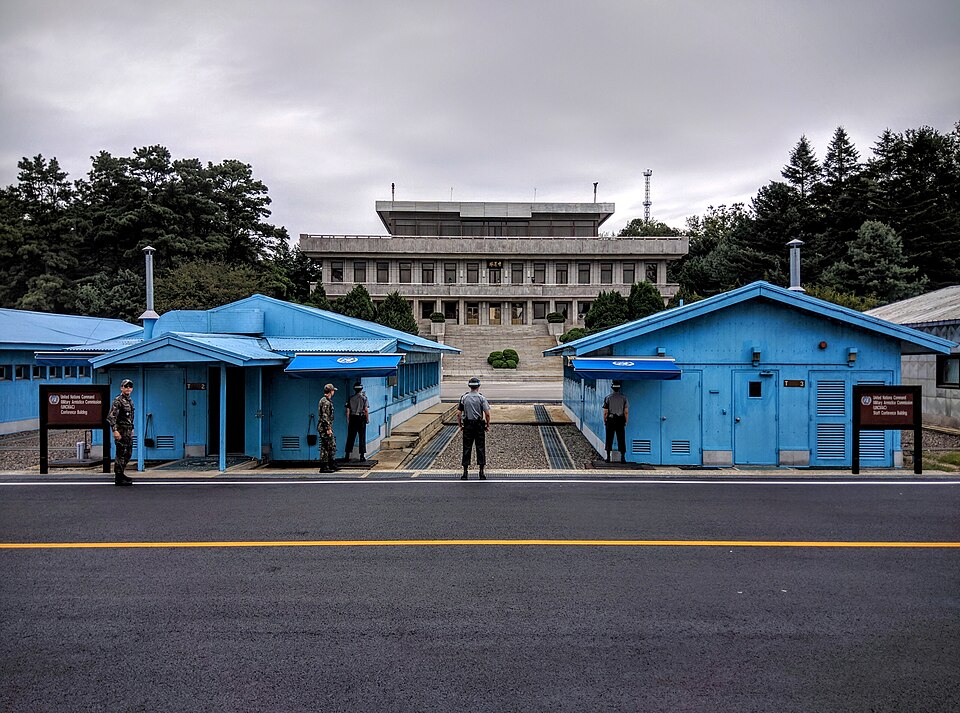
What occurs when a dormant volcano erupts? While no dormant volcanoes will be harmed in this committee, the metaphor will be applied to illustrate what we seek to capture. In 2040, rival ideologies, mounting resource shortages, and narrowing arenas for great-power influence have produced a world profoundly polarized. Nations are left with two paths to survive: align with an existing superpower or unite with neighbors to forge a new one. Abstention remained an option, but it brought only devastation as entire continents were reshaped by these trends.

Each continent differed. Europe -abandoned by the U.S. amid republican isolationism and NATO’s subsequent disintegration- re-emerged as a continental superpower, confined Russia into Central Asia, and expanded into Africa. Africa, unable to liberate itself from its past, became a theater of Euro-Sino rivalry over virgin resources. In the Americas, South America embodied abstentionism's costs as it was plagued by chronic economic hardships, while the U.S. -a self-sufficient republican police state sustained by mass surveillance- scrambled to preserve its supremacy through a growing military-industrial complex and a Pacific-centric foreign diplomacy against China. Oceania oscillated between both camps and reaped the benefits from each. In Asia, China -victorious in its 2027 Reunification Campaign- was contained by India, consolidated Southeast Asia, and clung to North Korea against the Pacific Defense Pact of Japan, U.S, and South Korea as conflict was imminent.

In this Futuristic Joint Crisis Committee, the fate of the Korean Peninsula will finally be sealed. Much like the occurrences in Ukraine amid the persisting Russo-Ukrainian War in the past 3 years, we will spend the 4 days of BOĞAZİÇİMUN 2026 simulating a potential Second Korean War as a fictional projection of how 15 years of unresolved tensions could erupt. As the space to relieve pressure diminishes, it has to burst from somewhere, doesn’t it? World History

HCC

Makhnovshchina

Experienced

Open agenda, set in Ukraine between late 1919 and early 1920.

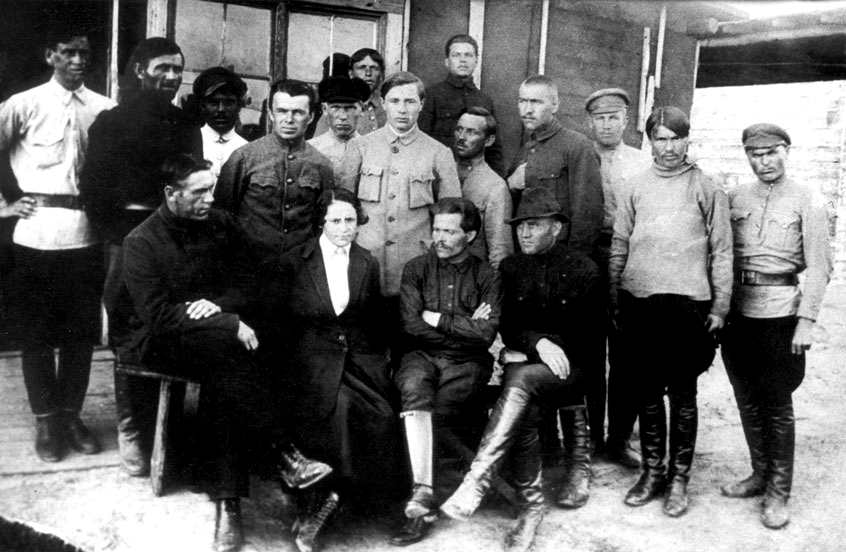
Makhnovshchina, also known as Makhno Movement, is the anarchist-revolutionary insurgency period to establish anarchist communism in southern and eastern Ukraine, named after and led by Nestor Makhno during Ukrainian War of Independence of 1917-1921. Emerging out of the chaos following the fall of the Russian Empire and the Russian Civil War, Makhnovist movement desired to establish a stateless and egalitarian society, rejecting both White monarchist and Bolshevik authoritarianist control. In BoğaziçiMUN 2026, delegates will experience one of the most interesting periods of history: the Apex period of Makhnovshchina. Apex period, between late 1919 and early 1920, occurred when the Revolutionary Insurgent army of Ukraine advanced their controlled territory and implemented radical libertarian socialist policies.

In this edition of BoğaziçiMUN, delegates of Historical Crisis Committee, as members of different councils within society, will experience this unique period of time and see if the ‘the stateless society’ experiment can survive or not, while deciding the fate of the working class and standing against the Red Terror.

Image credits

Committee pictures illustrate each committee's subject. They were not taken at BoğaziçiMUN. Conference photos are by the BoğaziçiMUN 2026 press team.

KVKK Aydınlatma Metni

Bu metin, 6698 sayılı Kişisel Verilerin Korunması Kanunu'nun (KVKK) 10. maddesi uyarınca, BoğaziçiMUN konferansı kapsamında işlenen kişisel veriler hakkında sizi bilgilendirmek için hazırlanmıştır.

Veri sorumlusu

Boğaziçi Üniversitesi Münazara Kulübü (BUDS) bünyesindeki BoğaziçiMUN Alt Komitesi, Rumeli Hisarı, Hisar Üstü Nispetiye Cd. No:7, 34342 Sarıyer / İstanbul. İletişim: pr.bogazicimun@gmail.com

Hangi verileri işliyoruz?

Amaçlar ve hukuki sebepler

18 yaşından küçük katılımcılar

18 yaşından küçük katılımcılardan, veli veya vasileri tarafından imzalanmış bir muvafakatname istenir. Muvafakatname olmadan başvuru tamamlanmaz.

Aktarım

Verileriniz, konaklama talep etmeniz hâlinde konaklama sağlayıcısıyla ve gerektiğinde üniversite birimleriyle paylaşılır. Başvuru formu, e-posta ve dosya saklama için Google hizmetleri (Google Forms, Gmail, Google Drive) kullanılır. Bu hizmetlerin sunucuları yurt dışında bulunduğundan verileriniz yurt dışına aktarılır. Bu aktarım, başvuru formunda ayrıca verdiğiniz açık rızaya dayanır (KVKK m.9).

Saklama süresi

Başvuru verileri, muvafakatnameler ve ödeme kayıtları konferansın bitiminden itibaren 6 ay saklanır, ardından silinir veya anonim hâle getirilir. Kanunen daha uzun saklanması gereken kayıtlar bu süreyle sınırlı değildir.

Haklarınız

KVKK m.11 uyarınca verilerinizin işlenip işlenmediğini öğrenme, bilgi talep etme, düzeltme, silme, itiraz etme ve zarara uğramanız hâlinde tazminat isteme haklarına sahipsiniz. Taleplerinizi pr.bogazicimun@gmail.com adresine iletebilirsiniz; en geç 30 gün içinde yanıtlanır.

English summary

We use the details you give in the application form to run the conference, assign committees, handle fees and accommodation, and issue certificates. Photos are posted on social media only with your consent. Applicants under 18 must submit a consent form signed by a parent or guardian. Forms and email run on Google services, so your data is stored outside Türkiye, based on your explicit consent. Application data is deleted 6 months after the conference. Write to pr.bogazicimun@gmail.com to access, correct or delete your data.
Çerez Politikası

Bu site reklam, analiz veya takip çerezi kullanmaz. Bu yüzden çerez onay penceresi göstermiyoruz.

Kullandığımız kayıtlar

AdAmaçSüre
bogazicimun-letter-seenAçılıştaki mektubu bir kez gösterdikten sonra tekrar göstermemek için. Tarayıcınızın yerel depolamasında tutulur, sunucuya gönderilmez.Siz silene kadar
bmun-themeAçık veya koyu tema seçiminizi hatırlar. Tarayıcınızın yerel depolamasında tutulur, sunucuya gönderilmez.Siz silene kadar

Üçüncü taraflar

Yazı tipleri Google Fonts üzerinden yüklenir; bu sırada IP adresiniz Google'a iletilebilir. Harita, Instagram ve X bağlantıları ancak tıkladığınızda ilgili siteyi açar ve o sitelerin kendi politikaları geçerli olur.

Kontrol

Bu kayıtları tarayıcı ayarlarından site verilerini silerek kaldırabilirsiniz.

English

This site sets no advertising, analytics or tracking cookies, so it shows no consent banner. It stores two small settings in your browser only: your light or dark theme choice, and whether you have already seen the opening letter.